 08071792702

 Send Inquiry

 Send Inquiry
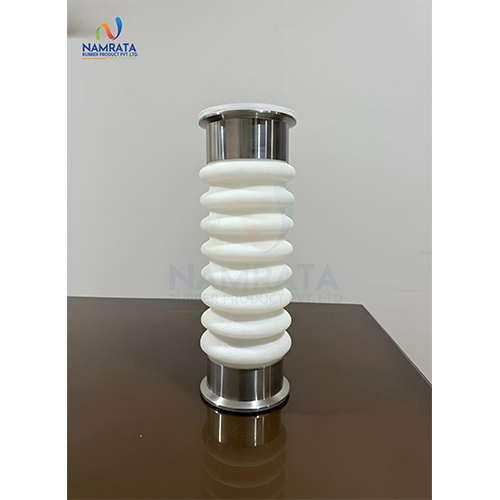
Transparent Rubber Bellow
Price 170 INR/ Piece
MOQ : 1 Piece
Transparent Rubber Bellow Specification
- Temperature Resistance
- -40C to +120C
- Nitrogen Content (%)
- Negligible
- Water Absorption
- <0.5%
- Part Type
- Protective Bellow / Dust Cover
- Usage & Applications
- Protection against dust, moisture, and contaminants, used in machinery, laboratory equipment, and electronics.
- Resistance level
- High resistance to abrasion and chemicals
- Density
- 1.25 Gram per cubic centimeter(g/cm3)
- Tolerance
- 0.2 mm
- Flame Resistance Level
- Self-extinguishing as per UL 94V-0 (for silicone grade)
- Thickness
- 1 mm to 3 mm
- Volatile Matter (%)
- <2%
- Style
- Cylindrical, Corrugated
- Weight
- Lightweight
- Length
- Up to 300 mm (customizable)
- Color
- Transparent
- Thermal Conductivity
- Low
- Width
- Variable, typically 30-100 mm
- Size
- Customized as per requirement
- Surface Finish
- Smooth and glossy
- Diameter
- 25 mm - 120 mm (customizable)
- Natural Rubber
- No, typically made from synthetic rubber or silicone
- Hardness
- 40-60 Shore A
- Rubber Type
- Silicone / Thermoplastic Polyurethane (TPU)
- Material
- Transparent Silicone Rubber / TPU
- Components
- Single-piece molded body
- Compression Ratio
- 3:1
- Tensile Strength
- 12-15 MPa
- Product Type
- Rubber Bellow
- Feature
- Flexible, non-toxic, excellent transparency, UV resistant
- Ash %
- <1%
- Ozone Resistance
- Excellent
- RoHS Compliance
- Yes
- Toxicity
- Non-toxic, food grade options available
- Electrical Insulation
- Good, suitable for electrical applications
- Aging Resistance
- Excellent, suitable for outdoor use
- Reusability
- Reusable and durable
- Elongation at Break
- 300% - 500%
Transparent Rubber Bellow Trade Information
- Minimum Order Quantity
- 1 Piece
- FOB Port
- MUMBAI
- Payment Terms
- Telegraphic Transfer (T/T), Cheque
- Supply Ability
- 15 Pieces Per Day
- Delivery Time
- 1 Week
- Sample Available
- Yes
- Sample Policy
- Sample costs shipping and taxes has to be paid by the buyer
- Packaging Details
- As per requirement
- Main Domestic Market
- Assam, Himachal Pradesh, Manipur, Andaman and Nicobar Islands, Uttarakhand, Daman and Diu, Dadra and Nagar Haveli, Lakshadweep, South India, North India, East India, West India, Andhra Pradesh, Arunachal Pradesh, Bihar, Chandigarh, Goa, Haryana, Jammu and Kashmir, Karnataka, Kerala, Madhya Pradesh, Maharashtra, Mizoram, Meghalaya, Nagaland, Odisha, Punjab, Pondicherry, Rajasthan, Sikkim, Tamil Nadu, Telangana, Tripura, West Bengal, Uttar Pradesh, Delhi, Gujarat, Central India, Jharkhand, Chhattisgarh, All India
- Certifications
- Rubber testing certificate
About Transparent Rubber Bellow
With the assistance of our dexterous team members, we are able to provide superior quality Transparent Rubber Bellow. This bellow is manufactured with the use of high grade rubber material and cutting edge techniques at our well-maintained production unit. Our offered bellow is used to ensure vibration proof and noise proof functionality of pistons, cylinders, compressors, spindles, shafts and other industrial appliances. The provided Transparent Rubber Bellow is extensively demanded in automotive, electrical and electronic, construction, aerospace and chemical industries.
Key points:
- Available in various sizes and shapes
- Known for excellent cushioning effect
- Resistant to chemicals and abrasion
- Weather proof surface
High-Performance Protection for Sensitive Components
Designed with advanced synthetic rubber or transparent silicone, these bellows shield equipment circuits and moving parts from dust, moisture, chemicals, and abrasive particles. The flexible cylindrical or corrugated style ensures a snug fit in diverse applications-from electronic enclosures to laboratory devices.
Exceptional Durability & Reusability
Transparent bellows provide excellent aging, UV, and ozone resistance, performing reliably in challenging outdoor environments. Reinforced with a galvanized or smooth finish, they withstand temperatures from -40C to +120C, repeated compression cycles, and offer high abrasion resistance, ensuring long-lasting, reusable protection.
Customizable Solutions for Every Industry
Manufactured to precise tolerances, these bellows are available in a wide range of diameters, lengths, and thicknesses, suiting everything from delicate electronics to industrial machinery. Food-grade options ensure safety in sensitive environments, and good electrical insulation aligns them for electrical and laboratory applications.
FAQ's of Transparent Rubber Bellow:
Q: How is the transparent rubber bellow installed and used in machinery and electronics?
A: The bellow is typically fitted over joints, actuators, or sensitive components to act as a flexible barrier against dust, moisture, and contaminants. Its cylindrical or corrugated shape and customizable dimensions ensure a secure installation in machinery, laboratory equipment, and electronics, prolonging equipment lifespan.Q: What are the benefits of using a non-toxic, food-grade transparent bellow?
A: Using a non-toxic, food-grade bellow ensures safety in environments where contact with food or pharmaceuticals is possible. These materials do not release harmful substances, meeting hygiene and RoHS requirements and supporting use in food processing and laboratory applications.Q: Where can these transparent rubber bellows be used most effectively?
A: They are ideal for protecting moving parts in automation equipment, lab instruments, electronic devices, and outdoor machinery, thanks to their UV, ozone, and chemical resistance. The bellows' transparency also allows for easy inspection of protected components without disassembly.Q: What is the manufacturing process for custom transparent rubber bellows?
A: Bellows are produced via molding of synthetic rubber or silicone compounds, shaped into a single-piece cylindrical or corrugated structure. Precision molds enable customization in diameter, length, thickness, and style to match specific user requirements for industry or application.Q: When should I opt for a silicone vs. TPU rubber bellow?
A: Silicone bellows are preferred in high-temperature or electrical applications due to superior heat and flame resistance, while TPU provides excellent abrasion resistance in dynamic or mechanically stressed setups. Both offer strong UV and chemical resistance.Q: What process ensures the bellow remains durable during repeated use?
A: Advanced molding techniques, reinforced materials, and quality surface treatments (including galvanized finishes) ensure the bellow maintains flexibility, compressibility, and gloss even under repeated expansion and contraction cycles. They resist aging and wear, allowing for multiple installation and reuse cycles.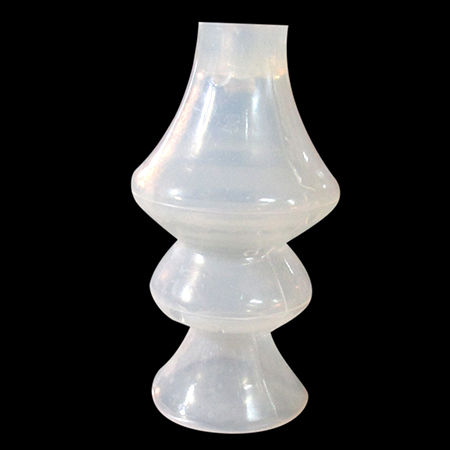
Tell us about your requirement

Price:
Quantity
Select Unit
- 50
- 100
- 200
- 250
- 500
- 1000+
Additional detail
Mobile number
Email

More Products in Rubber bellows Category
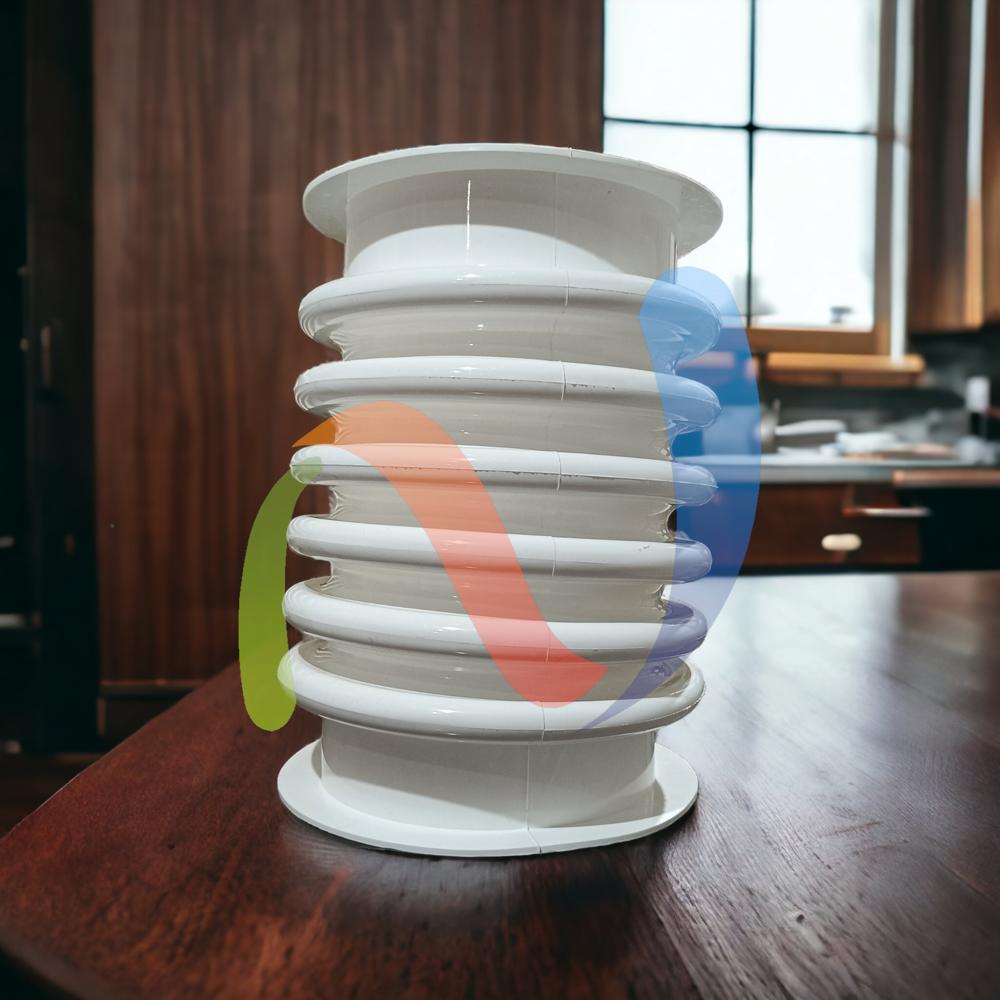
MOULDED SILICONE RUBBER BELLOW
Price 4500.0 INR / Piece
Minimum Order Quantity : 1 Piece
Material : Highgrade Silicone Rubber
Length : Up to 1000 mm or as specified
Temperature Resistance : 60C to +220C
Part Type : Protective Bellow
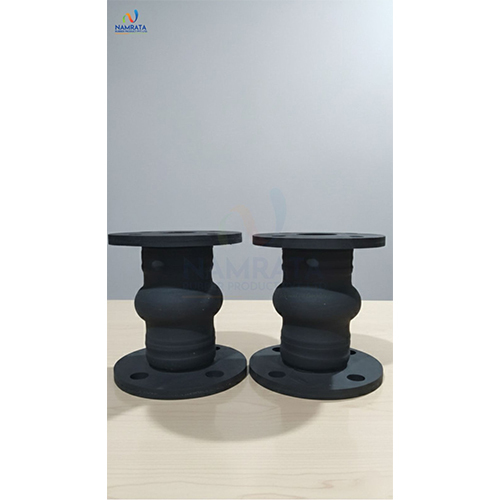
EPDM Expansion Bellow
Price 950 INR / Number
Minimum Order Quantity : 2
Material : EPDM Rubber with reinforcing nylon/steel cord
Length : 130 mm to 300 mm
Temperature Resistance : 40C to +120C
Part Type : Flexible Connector / Expansion Joint
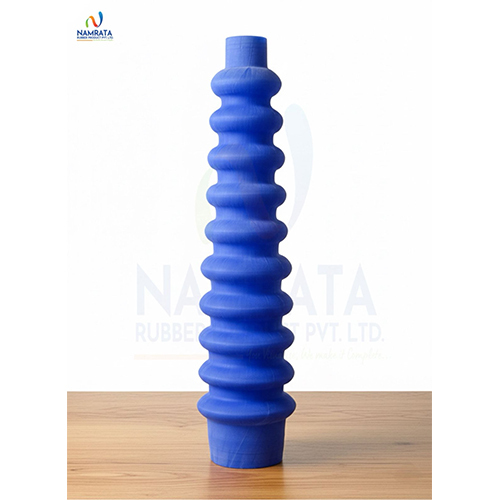
Silicone conical rubber bellow
Price 800 INR / Number
Minimum Order Quantity : 2
Material : Silicone Rubber (VMQ)
Length : 50 mm to 300 mm (customized)
Temperature Resistance : 60C to +230C
Part Type : Bellow / Sleeve / Boot
Silicone rubber bellow with TC and fabric reinforcement
Price 850 INR / Number
Minimum Order Quantity : 2
Material : Silicone Rubber with Polyester or Glass Fabric Reinforcement
Length : Custom lengths available as per client requirement
Temperature Resistance : 60C to +220C continuously, short term up to 250C
Part Type : Bellow / Expansion Joint

Contact Details

- Sai Senha Ind. Gala No. A/2, Near Shiv sai Temple Phatak Road, Bhayandar East,Mira Bhayandar - 401105, Maharashtra, India
- Phone :08071792702

- Mr. Vishal Nagarkar (Director)
- Mobile :08071792702
- Send Inquiry
Our Category
NAMRATA RUBBER PRODUCT
All Rights Reserved.(Terms of Use)
Developed and Managed by Infocom Network Private Limited.
Developed and Managed by Infocom Network Private Limited.

