 08071792702

 Send Inquiry
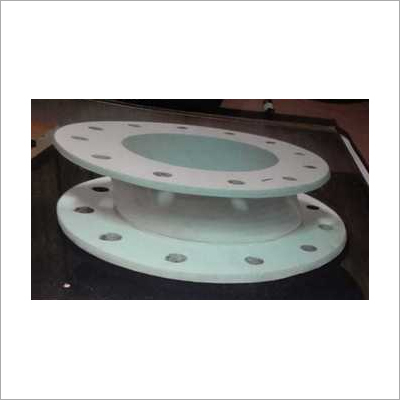
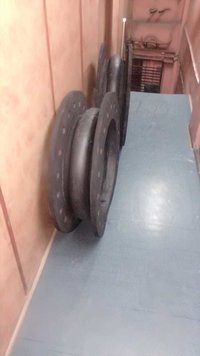
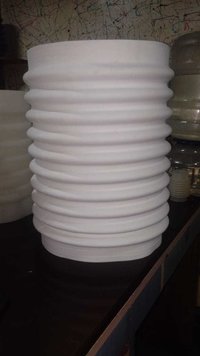

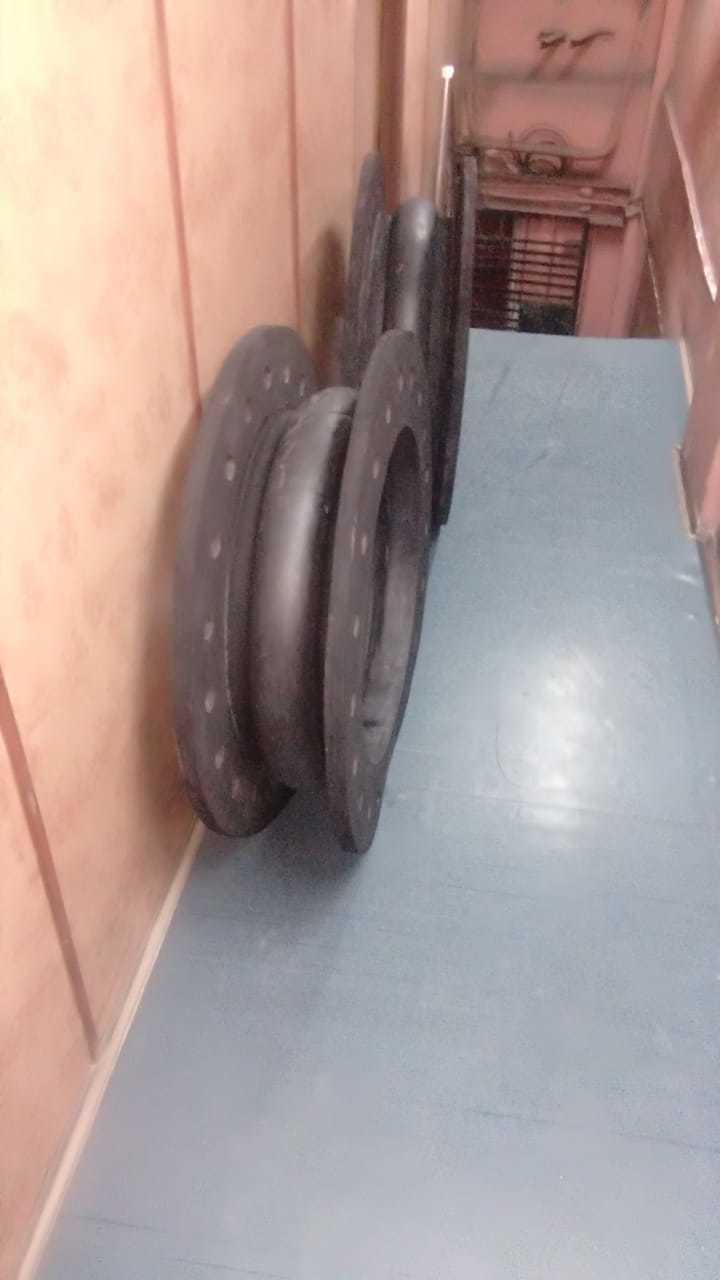
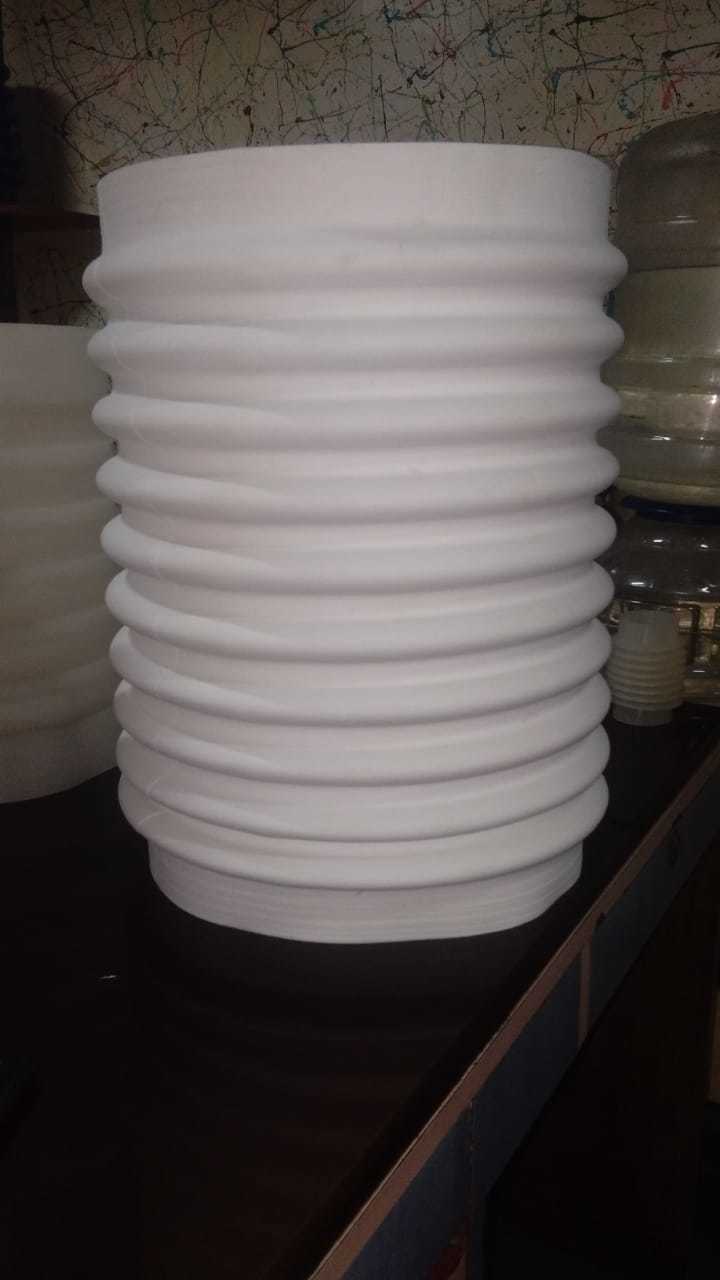
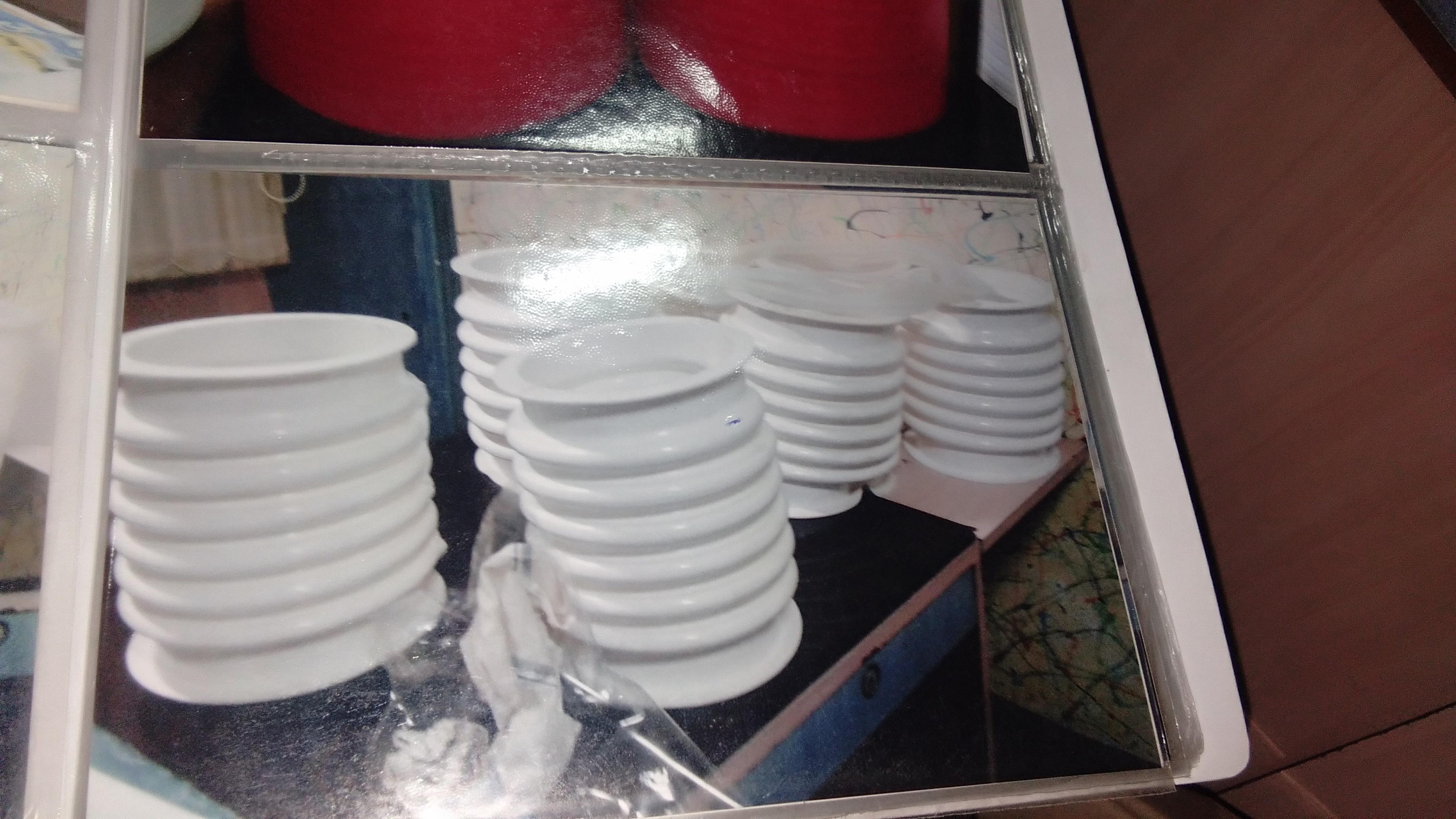
Expansion Joints
Product Details:
- Max. Temperature -20C to 700C (Depending on Material)
- Media Water, Gas, Oil, Steam, Chemicals
- Flange Available in Various Standards (ANSI, DIN, JIS)
- Head Code Round
- Surface Treatment Polished / Galvanized / Painted
- Material Stainless Steel, Rubber, PTFE, and Metal Alloys
- Technique Hot Rolled or Welded
- Click to View more
X
Expansion Joints Price And Quantity
- 1 Piece
- Axial, Lateral, Angular
- Flange, Weld, Threaded Ends
- Optional for abrasion or flow optimization
- DN25 to DN1200 and above
- Silver, Black (for Rubber types), Customized on request
- Yes, depends on material
- Piping Systems, HVAC, Chemical Plants, Oil & Gas, Power Plants
- Single or Multi-ply
- 100% Factory Tested
Expansion Joints Product Specifications
- Available in Various Standards (ANSI, DIN, JIS)
- Water, Gas, Oil, Steam, Chemicals
- Round/Cylindrical Bellows
- Round
- -20C to 700C (Depending on Material)
- Axial, Lateral, Universal, Hinged, Gimbal
- Hot Rolled or Welded
- Stainless Steel, Rubber, PTFE, and Metal Alloys
- Flanged, Welded, Threaded
- Up to 40 bar / as per design
- Polished / Galvanized / Painted
- Axial, Lateral, Angular
- Flange, Weld, Threaded Ends
- Optional for abrasion or flow optimization
- DN25 to DN1200 and above
- Silver, Black (for Rubber types), Customized on request
- Yes, depends on material
- Piping Systems, HVAC, Chemical Plants, Oil & Gas, Power Plants
- Single or Multi-ply
- 100% Factory Tested
Expansion Joints Trade Information
- 15 Piece Per Day
- 1 Week
Product Description
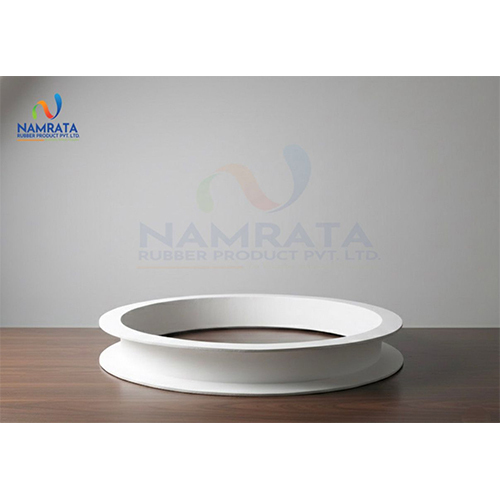
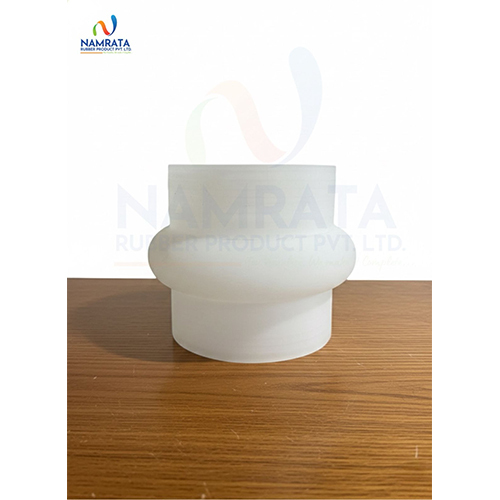
With a great reputation in the market, we are considered as leading manufacturers and suppliers of Expansion Joints. These assemblies are specifically designed for absorbing temperature-induced expansion and contraction of construction materials. Thus, they can easily hold parts together or for allowing movement due to grounds settlement as it absorbs vibrations as well. For its efficient and smooth working, it utilizes some accessories that include covers, liners, limit rods, and purge connectors. Moreover, the offered Expansion Joints are used for various applications and are found between sections of piping systems, buildings, bridges, railway tracks, and ships.
Product Details
| Connection | Flange |
| Material | Natural Rubber |
| Hardness | 50-63 shore |
| Section Shape | Round |
Versatile Movement Absorption
Expansion joints are designed to handle axial, lateral, and angular movements, ensuring stability and protection for connected piping systems. These features help maintain system integrity during thermal expansion, seismic activity, or vibration, making them indispensable in industrial applications. By mitigating stress and movement, they extend equipment lifespan and reduce maintenance costs.
Material and Customization Options
Manufactured using stainless steel, rubber, PTFE, and specialized metal alloys, expansion joints offer corrosion resistance and adaptability to different media and temperatures, ranging from -20C to 700C. Customers can request customized sizes, shapes, and surface treatments, enabling seamless integration with unique project requirements while maintaining compliance with performance standards.
Comprehensive Testing and Standards
Each expansion joint unit is factory tested for leak tightness, ensuring high reliability and safety. Connections are available in flanged, welded, or threaded designs, conforming to international standards like ANSI, DIN, and JIS. These rigorous tests and certification deliver peace of mind and operational efficiency for critical applications.
FAQs of Expansion Joints:
Q: How do expansion joints absorb different types of movement in piping systems?
A: Expansion joints are engineered with flexible bellows that accommodate axial, lateral, and angular movement, effectively absorbing stress caused by thermal expansion, vibration, or misalignment within piping systems. This ability prevents structural damage and supports uninterrupted fluid flow.Q: What factors influence the choice between single-ply and multi-ply bellow layers?
A: The selection depends on the applications pressure rating, movement requirements, and media type. Multi-ply bellows offer increased flexibility and fatigue resistance for demanding settings, while single-ply designs suit standard conditions where minimal movement absorption is sufficient.Q: When is an inner sleeve recommended for expansion joints?
A: An inner sleeve is advisable when the joint faces abrasive media or high velocity flows. It protects the bellow from wear, improves flow characteristics, and prolongs the products service life, especially in chemical plants, oil & gas pipelines, or power plants.Q: Where can these expansion joints be installed?
A: Expansion joints are applicable in a wide variety of locations, including HVAC installations, chemical factories, oil & gas pipelines, and power generation facilities. Their versatility in size and connection types ensures compatibility with most industrial and municipal piping systems.Q: What is the process for ensuring leak tightness in these joints?
A: Each expansion joint undergoes rigorous 100% factory leak tightness testing using industry-approved methods. These tests validate the products integrity before dispatch, ensuring reliable performance under expected operating conditions.Q: How do material and surface treatments affect corrosion resistance and temperature tolerance?
A: Corrosion resistance and temperature limits depend on the base materialstainless steel, PTFE, rubber, or metal alloysand the type of surface treatment applied, such as polishing, galvanizing, or painting. These measures optimize durability and compatibility with water, gas, oil, steam, and chemicals.Tell us about your requirement

Price:
Quantity
Select Unit
- 50
- 100
- 200
- 250
- 500
- 1000+
Additional detail
Mobile number
Email

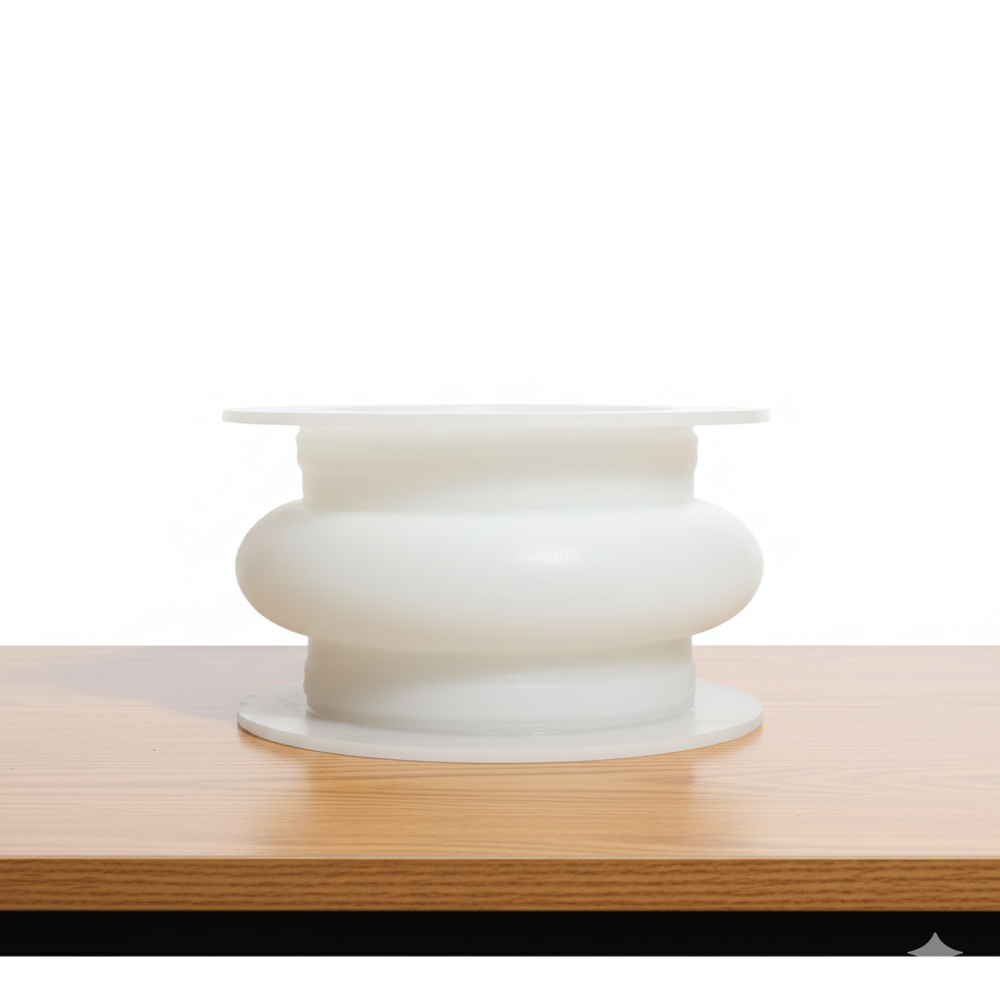
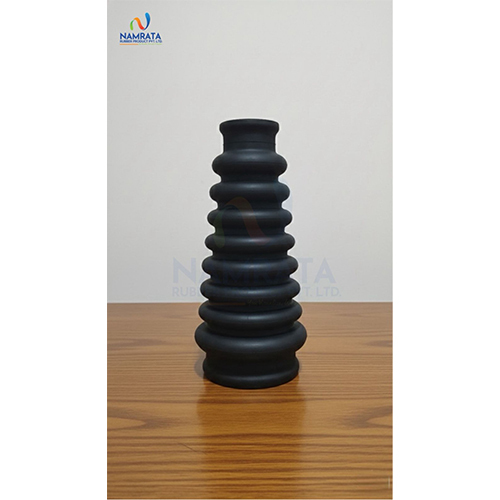
Other Products in 'Silicon Bellows' category

Contact Details

- Sai Senha Ind. Gala No. A/2, Near Shiv sai Temple Phatak Road, Bhayandar East,Mira Bhayandar - 401105, Maharashtra, India
- Phone :08071792702

- Mr. Vishal Nagarkar (Director)
- Mobile :08071792702
- Send Inquiry
Our Category
NAMRATA RUBBER PRODUCT
All Rights Reserved.(Terms of Use)
Developed and Managed by Infocom Network Private Limited.
Developed and Managed by Infocom Network Private Limited.

